
How to Prepare Your Home Before a Cleaning Appointment
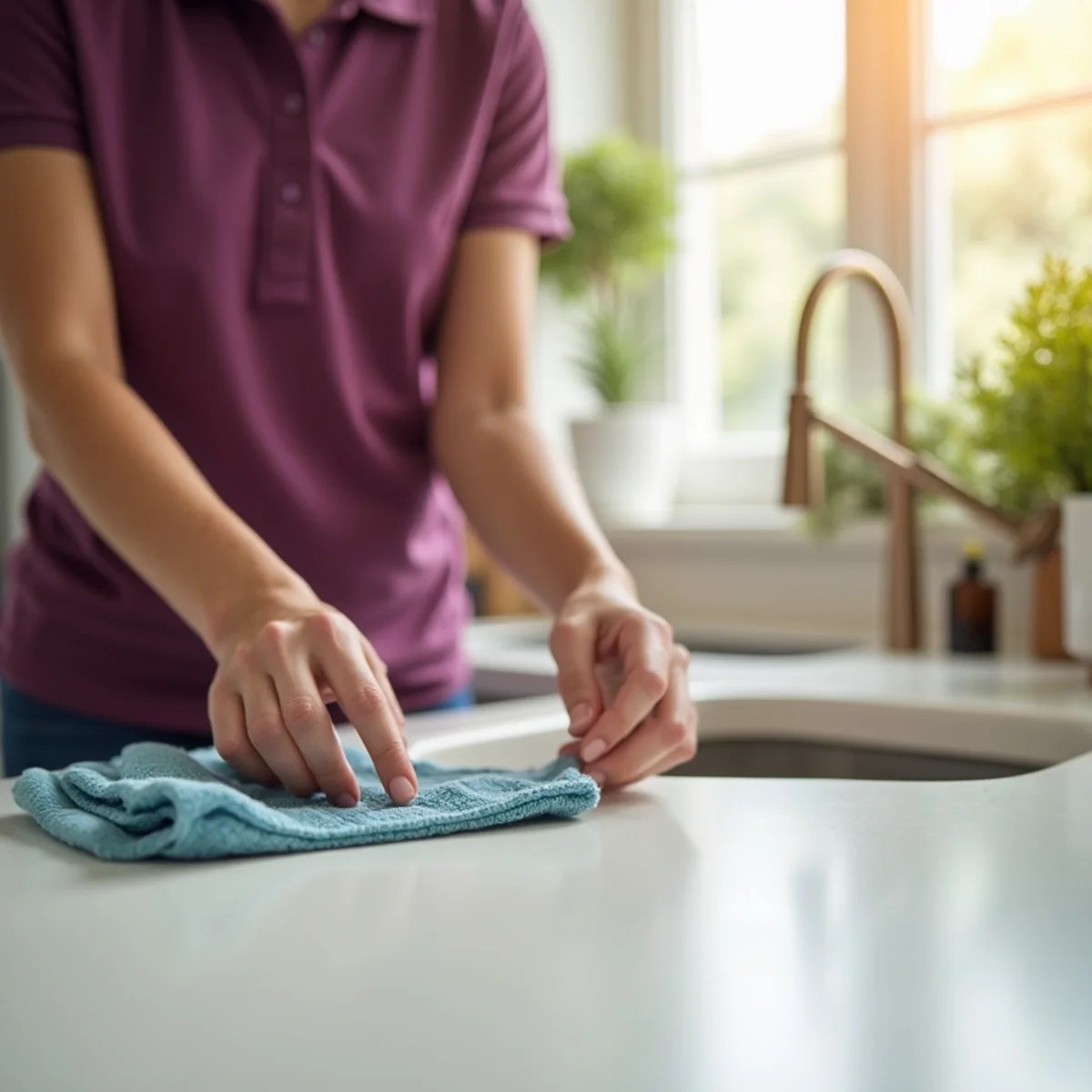
You booked a cleaning so you could stop thinking about it. So the last thing you want to hear is that there's homework before the crew shows up. The good news: there really isn't much, and none of it involves cleaning. A little prep just changes where your cleaners spend their time. Fifteen minutes of tidying on your end can save them thirty to forty-five minutes of moving clutter around — time that goes straight back into scrubbing, dusting, and the details you actually booked them for.
Think of it this way. When a countertop is buried under mail, keys, and a phone charger, a cleaner has two choices: clean around the pile, or move it and hope they put everything back where you wanted it. Neither one gets your counter as clean as an empty surface would. The same is true for floors, nightstands, and the kitchen table. Clearing the way isn't about impressing anyone — it's about handing your cleaners a home they can actually reach every inch of.
This guide walks through exactly what helps before a standard cleaning or a deep cleaning, what you can safely skip, and a few first-visit tips for anyone hiring cleaners for the first time. If you'd rather just talk it through, call us at +1 877-754-5614 and we'll tell you what to expect for your home.
In this article
- 1. Clear Surfaces So Cleaners Can Reach Them
- 2. Pick Up the Floors
- 3. Secure Valuables, Documents, and Anything Fragile
- 4. Make a Plan for Pets
- 5. Tell Your Cleaners What Matters Most
- 6. Sort Out Access and Entry Ahead of Time
- 7. What You Do NOT Need to Do
- 8. A Quick Prep Checklist
- 9. First-Visit Tips for Idaho Homes
Clear Surfaces So Cleaners Can Reach Them
The single most useful thing you can do is clear flat surfaces. Countertops, dining tables, desks, nightstands, and dressers collect the daily pile-up of mail, chargers, water glasses, receipts, and whatever else lands there. Every item left out is a spot your cleaner has to work around instead of wipe down. A cleared surface gets cleaned end to end; a cluttered one gets a wipe around the edges.
You don't need to organize any of it — just gather it into a basket or drawer for now. The goal is an open surface, not a finished decluttering project. Kitchen counters matter most here, since that's where crumbs, spills, and sticky spots hide under the stuff we leave sitting out. Bathrooms are a close second: clearing the countertop of toiletries lets a cleaner actually disinfect the whole surface and reach the hard water spots around the faucet that Idaho homes know all too well.
If you're only going to prep one or two rooms, make them the kitchen and the main bathroom. Those are the rooms where a clear surface makes the biggest visible difference.
Pick Up the Floors
Cleaners can't vacuum or mop what they can't see. Loose items on the floor — shoes, toys, laundry, pet bowls, stray cords, dog beds — all slow a clean down and often mean a patch of floor gets skipped. Doing a quick pick-up before the crew arrives lets them run the vacuum in one smooth pass and mop without stopping to move things every few feet.
This is especially true in busy family homes. Kids' rooms and playrooms tend to have the most on the floor, so a five-minute toy pickup there pays off more than anywhere else. You're not tidying to be tidy — you're clearing lanes so the floor underneath actually gets cleaned.
Secure Valuables, Documents, and Anything Fragile
Most cleaners you'll ever hire are careful and honest. Even so, it's simply good practice to put away anything valuable, irreplaceable, or breakable before cleaning day. This protects your peace of mind and removes any awkwardness for the crew, who would rather not be responsible for a family heirloom balanced on the edge of a shelf.
Tuck cash, jewelry, and small electronics into a drawer. Gather loose personal documents — bank statements, checkbooks, anything you'd rather not have sitting out — and put them somewhere out of the way. If you have delicate décor, antiques, or a wobbly shelf of collectibles, either move them or leave a quick note so your cleaner knows to skip them. A dish of loose change on the dresser is the classic example: put it away, and nobody has to wonder about it later.
Make a Plan for Pets
Pets and vacuum cleaners rarely get along, and a house full of unfamiliar people can stress out even a mellow dog or cat. The vacuum, the movement, the open doors — it's a lot. Deciding ahead of time where your pet will be keeps everyone comfortable and keeps the clean moving.
A crate, a closed bedroom, a backyard, or a friend's place all work fine — whatever your pet is used to. If your dog or cat will be loose during the visit, let your cleaner know so they can keep doors closed and watch for a quick escape artist. And please clear away any pet waste beforehand; that's one job that genuinely falls outside the scope of a house cleaning. A quick heads-up about a nervous or protective pet is always appreciated too.
Tell Your Cleaners What Matters Most
Your cleaners can't read your mind, and no two homes have the same priorities. Maybe the master shower is the thing driving you crazy. Maybe you have guests coming and the guest bathroom is all that matters. Maybe there's a room you'd rather they skip entirely. A short note — or a quick word when they arrive — makes sure the time gets spent where you want it.
Point out any problem spots too: a stubborn stain, built-up soap scum, hard water film on the shower glass, a high shelf of dust. The more specific you are, the better the result. This is doubly true on a deep cleaning, where the whole point is tackling the built-up grime a regular tidy misses. Telling your crew about the worst offenders up front means those areas get the attention they need instead of a standard pass.
If you won't be home, this matters even more. Leave your instructions in writing somewhere obvious, and make sure your cleaners know how anything unusual in your home works.
Sort Out Access and Entry Ahead of Time
If you won't be home when your cleaners arrive, the details of getting in need to be settled before the appointment, not figured out at the door. A crew standing outside a locked house is time you're paying for and cleaning you're not getting. Confirm the plan when you book, whether that's a spare key, a garage code, a lockbox, or someone letting them in.
Home security systems trip up more cleanings than anything else. If you have an alarm, motion sensors, a video doorbell, or a smart lock, either disarm what needs disarming or give your cleaners a temporary code and clear instructions. Note anything else they should know: which door to use, where the trash and recycling go, a parking spot to use or avoid, or a room that's off-limits. Sorting this out in advance means the crew walks in and gets straight to work.
What You Do NOT Need to Do
Here's the part people get wrong most often: do not clean before the cleaners come. You booked a cleaning service so you wouldn't have to, and scrubbing the night before defeats the entire purpose. There's no need to mop the floors, wipe the counters, or make the place presentable out of embarrassment. Your cleaners have seen every kind of home, and a lived-in house is exactly what they expect.
The line to remember is simple: tidy, don't clean. Clearing clutter helps because it opens up the surfaces and floors. Actually cleaning just wastes your evening and doesn't change the result. Leave the dirt, the dust, the hard water spots, and the grime — that's literally what you're paying for. Let the professionals do the work you hired them for.
A Quick Prep Checklist
If you want the short version, here's the whole routine. It usually takes fifteen minutes or less, and every item on it means more of your appointment goes toward actual cleaning:
- Clear countertops, tables, and nightstands into a basket or drawer
- Pick up floors — shoes, toys, laundry, cords, and pet bowls
- Load or empty the dishwasher so the sink is clear
- Put away cash, jewelry, documents, and anything fragile
- Set your pet up in a safe, comfortable spot away from the work
- Clear away any pet waste beforehand
- Write down your priorities and any problem areas or off-limits rooms
- Confirm entry: key, code, or who's letting the crew in
- Disarm or provide a code for alarms, cameras, and smart locks
- Do NOT pre-clean — tidy only, and leave the real work to your cleaners
First-Visit Tips for Idaho Homes
If it's your first time hiring a cleaning service, a first visit usually takes a little longer than the ones that follow. The crew is meeting your home for the first time — learning its layout, its surfaces, and where the build-up hides. Many households start with a deep cleaning to reset everything, then keep it there with a lighter standard cleaning on a regular schedule. That first reset is where the biggest difference shows.
Around here in Meridian and across the Treasure Valley, a couple of local things are worth a mention when your crew arrives. Hard water leaves chalky mineral spots on shower glass, faucets, and sinks, and newer homes often still hold fine construction dust in vents and window tracks months after move-in. Point those out and your cleaners can plan for them from the start. And because we clean chemical-free by default, your home is left fresh without any harsh fumes — safe for the kids and pets who live there.
A little prep, a few honest notes, and the right expectations go a long way. When you're ready to book, call us at +1 877-754-5614 for a free, no-obligation quote and we'll walk you through the rest.
Want it done for you?
Chemical-free house cleaning across Idaho. Free quotes, no obligation.