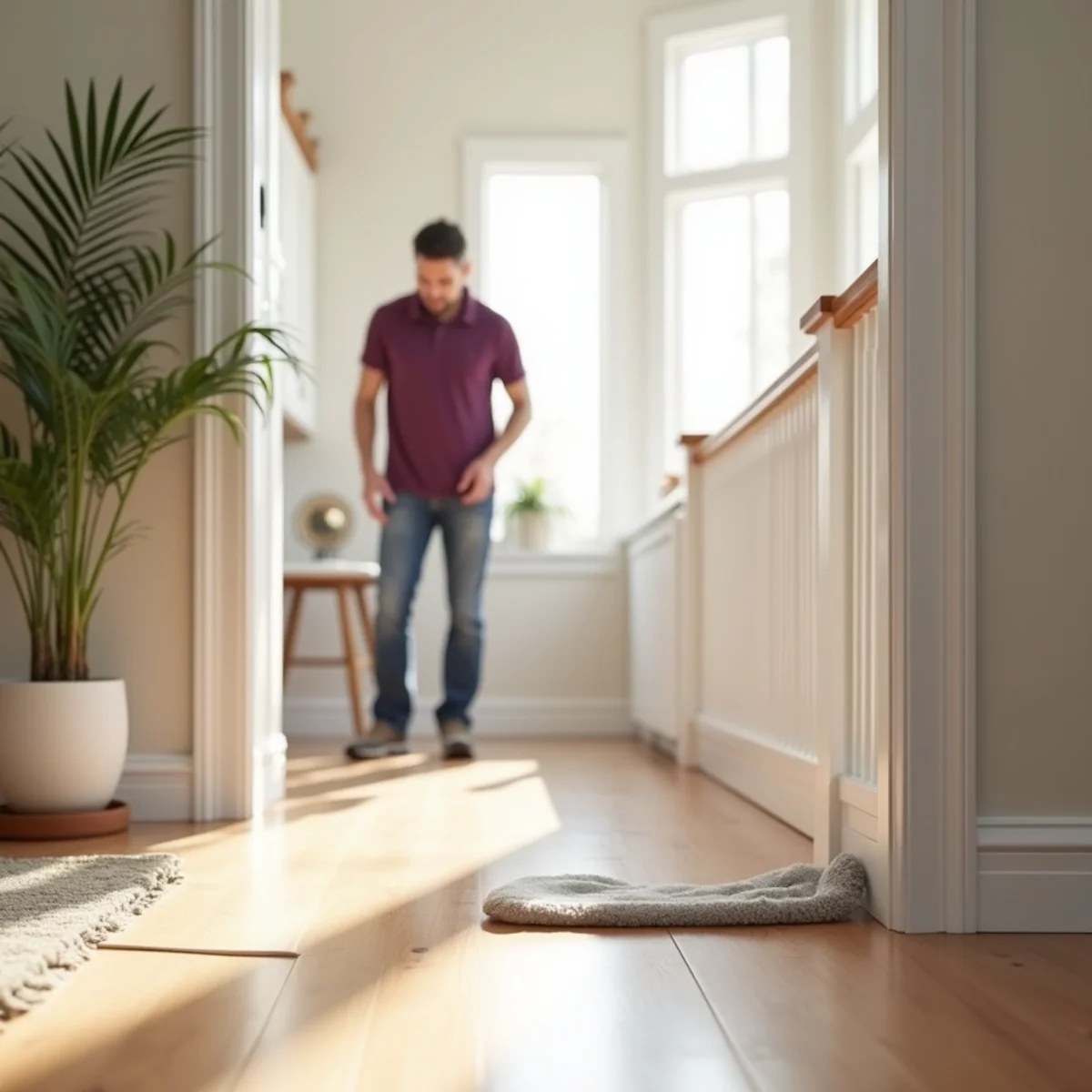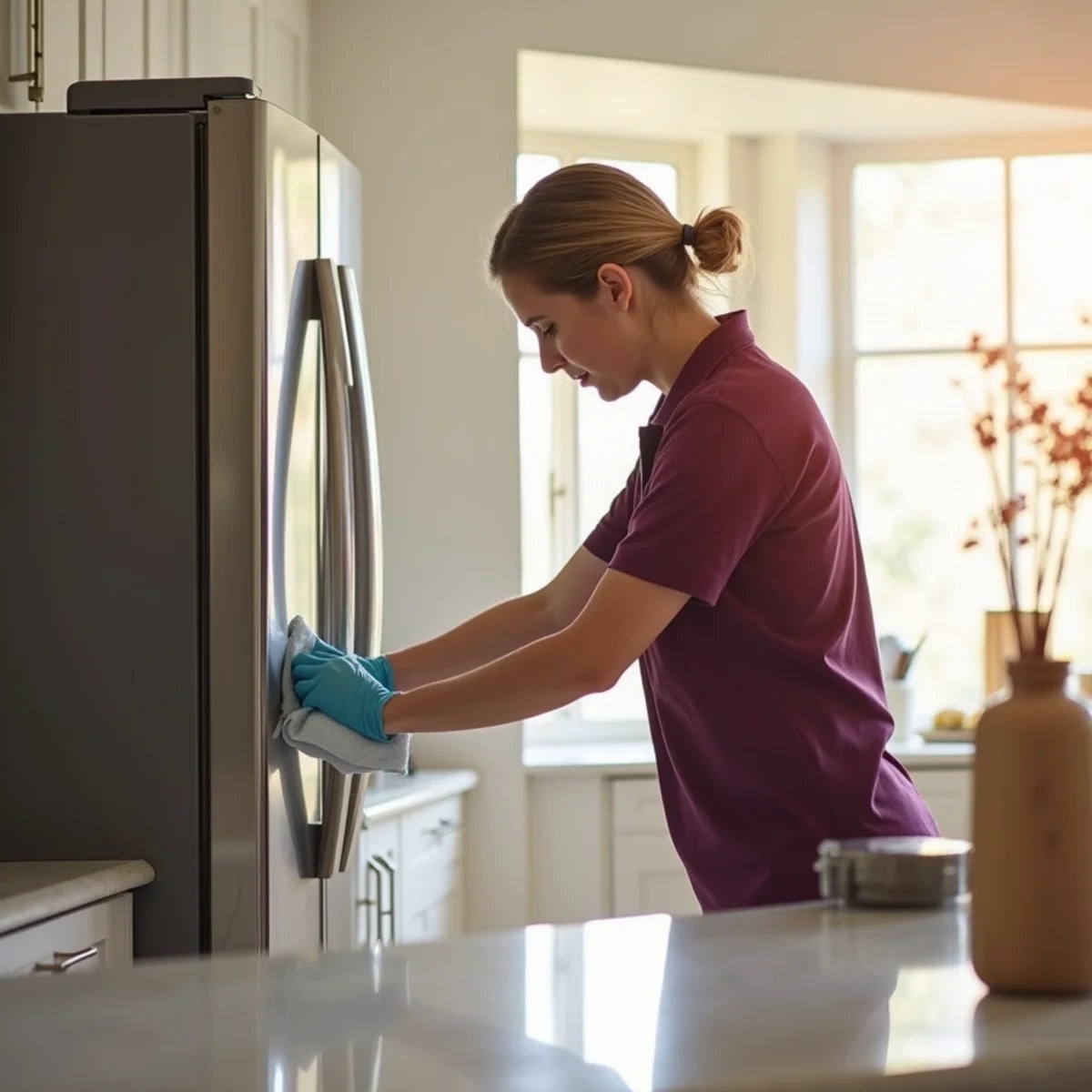
Post-Construction Cleaning: What Homeowners Should Expect
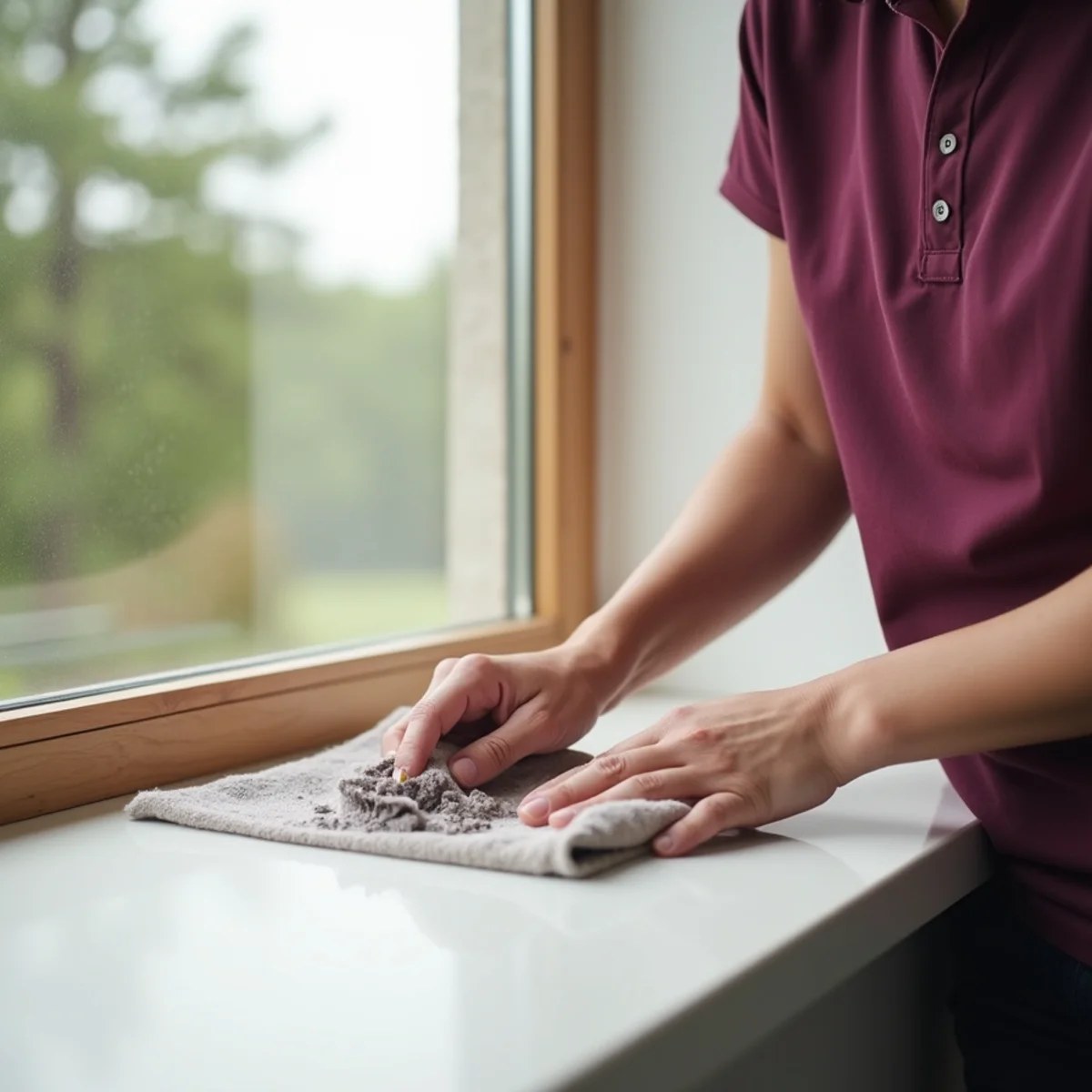
A brand-new house looks clean. The counters are bare, the floors are untouched, and there's no clutter anywhere. So it surprises a lot of homeowners when they run a finger along a windowsill a week after moving in and it comes away gray. That's construction dust, and it behaves nothing like the household dust you're used to. It's finer, it clings, and it keeps resurfacing for weeks. Getting it out is what post-construction cleaning is actually for — and it's a very different job from a regular clean.
Whether you've just closed on a new build in one of the Treasure Valley's fast-growing subdivisions or you've lived through a kitchen remodel, the mess left behind is the same category of problem: fine drywall and silica dust that has drifted into vents, settled on every ledge, and worked its way into cabinets and window tracks. A builder's final sweep clears the big debris, but it rarely reaches the dust that matters most for the people about to live there.
We're a chemical-free cleaning company based in Meridian, and new-construction and remodel cleanup is a big part of what we do across Idaho. This guide walks through what post-construction cleaning covers, why it takes more than a deep clean, how the phases and timeline work, and how to get a home genuinely move-in ready. If you'd rather just talk it through, call +1 877-754-5614 for a free, no-obligation quote.
In this article
What Post-Construction Cleaning Actually Covers
Post-construction cleaning is the deep, detailed clean that takes a space from finished construction to genuinely livable. It happens after the trades are done — after the drywall, paint, flooring, cabinetry, and fixtures are all in — and its whole purpose is to clear out the dust, debris, and residue that building leaves behind. It's the step between "the work is complete" and "you can unpack here."
Unlike a routine clean that focuses on the surfaces you use every day, this one goes after everything the construction process touched. That means stickers and manufacturer labels peeled off appliances and windows, paint splatter and caulk scraped off glass and tile, adhesive residue removed, and fine dust pulled out of the places it hides. It's thorough by necessity, because a new or remodeled space hasn't been cleaned properly even once.
A typical post-construction clean includes:
- Fine dust removed from walls, ceilings, corners, baseboards, trim, and every ledge
- Stickers, labels, and protective film peeled from windows, appliances, and fixtures
- Paint splatter, caulk, grout haze, and adhesive residue scraped and wiped off surfaces
- Windows, sills, frames, and tracks cleaned inside and out
- Cabinets and drawers wiped inside and out, where dust settles unseen
- Light fixtures, switches, outlets, and vent covers detailed
- Floors vacuumed with fine-dust capture, then mopped — hard surfaces and carpet alike
- Bathrooms and kitchen fixtures polished and the whole space given a final wipe-down
The Fine-Dust Problem in New Builds and Remodels
The reason post-construction cleaning is its own service comes down to one thing: the dust. Construction dust is mostly gypsum from drywall and fine silica, and it's lightweight, electrostatic, and small enough to stay airborne for days before it settles. It doesn't fall neatly to the floor the way household dust does — it drifts, clings to surfaces with a slight static charge, and works into gaps you'd never think to check.
That's also why ordinary cleaning makes it worse. A standard vacuum and a dry duster don't capture this dust; they push it back into the air, where it circulates and resettles somewhere else. Dry-sweeping a room full of drywall dust just moves the problem around. Removing it properly takes fine-particle vacuuming paired with damp wiping, so the dust is trapped and lifted away instead of relaunched.
The other issue is where it hides. In a new Treasure Valley build, fine dust settles inside kitchen cabinets, on the tops of doors and window frames, in the tracks of every window, behind the toilet, and — the one people miss most — inside the HVAC system. Once the furnace or AC kicks on, a dusty vent system quietly recirculates those particles through the whole house for weeks, which is exactly why a home can look spotless and still leave a gray film on the shelves a few days later.
Why It's More Than a Deep Clean
It's fair to ask why this isn't just a deep clean by another name. A deep clean is a reset for a home that's been lived in — it clears months of built-up grime, hard water, and settled dust from a space that's already generally functional. Post-construction cleaning starts from a different place entirely: the space has never been cleaned, and the mess is a specific residue left by building work, not everyday living.
The differences are practical. Post-construction cleaning deals with materials a deep clean rarely encounters — drywall dust, grout haze, paint overspray, sawdust, and adhesive — and it requires fine-dust capture rather than standard vacuuming. It's also more labor-intensive: there's more surface area to touch, more residue to scrape, and a real chance a second pass is needed once airborne dust has finished settling. A deep clean is thorough; a post-construction clean is thorough and specialized.
The short version of how the two differ:
- Starting point — Deep clean: a lived-in home that's fallen behind. Post-construction: a space that's never been cleaned at all.
- The mess — Deep clean: everyday grime and hard water. Post-construction: drywall dust, paint, caulk, adhesive, and debris.
- The dust — Deep clean: normal household dust. Post-construction: fine electrostatic dust that needs fine-particle capture and damp wiping.
- The scope — Deep clean: reaches the neglected spots. Post-construction: touches nearly every surface, plus inside cabinets, tracks, and fixtures.
- The follow-through — Deep clean: usually one visit. Post-construction: a touch-up pass is common once dust resettles.
The Phases: Rough, Final, and Touch-Up
Larger jobs are usually handled in phases, because dust keeps settling as long as work is happening. Trying to do the finish cleaning too early just means cleaning the same surfaces twice. Knowing the phases helps you understand where your project sits and what's realistic to expect.
For a smaller remodel — a single bathroom or one room — these often collapse into a single detailed visit. For a full new build or a whole-home renovation, they play out as distinct stages:
- Rough clean — Happens during or right after construction. Large debris hauled out, loose dust knocked down, floors swept and cleared so the finishing trades can work.
- Final (detail) clean — After all trades are finished. The full top-to-bottom clean: dry dust capture first, then damp wiping and mopping of every surface, cabinet, track, and fixture.
- Touch-up clean — A day or two later. Airborne dust that resettled after the final clean is wiped down, glass and fixtures are re-polished, and the space is checked over before you move in.
Timeline and Scope: How Long It Takes
Post-construction cleaning takes real time. A full new build or major renovation can run a full day or more for a crew — an eight-to-twelve-hour job isn't unusual once you account for every cabinet, track, and ledge. A smaller project, like a single-bathroom remodel, might be a few hours. The scope depends on square footage, how many rooms were involved, how much residue the trades left, and whether flooring, tile, and fixtures all need detailing.
Timing matters as much as duration. Post-construction cleaning should only begin once every trade is finished — starting while a painter or flooring crew is still coming back guarantees a re-dusting. And because that fine dust can stay airborne for a day or two, it's completely normal for a light film to resettle after the first thorough clean. That's not a sign the clean was rushed; it's the nature of construction dust, and it's exactly what the touch-up pass is for.
One more thing worth planning around: the HVAC system. If the furnace or AC ran during construction, dust collected in the ductwork and on the vent covers. We clean the vent covers and registers as part of the job, and for heavily dusty builds it's worth having the ducts professionally serviced separately so the system isn't recirculating particles into your freshly cleaned rooms.
Getting a New Idaho Home Move-In Ready
Few places build like the Treasure Valley right now. New subdivisions are going up fast across Meridian, Star, Eagle, and Kuna, and a fast-built home traps construction dust just as readily as a custom one — often more, because the pace leaves less time for cleanup between trades. If you're closing on a new build, the builder's clean is a starting point, not the finish line. It clears the debris and makes the home presentable for a walkthrough, but the fine dust in the vents, cabinets, and tracks is usually still there.
The best time for a post-construction clean is after the final trade leaves and before your furniture arrives. An empty house is far easier to clean completely — every cabinet, closet, and corner is reachable with nothing in the way. Cleaning after you've moved in is possible, but you'll be working around boxes, and dust that settled on your belongings comes with them. If your timeline is tight, a post-construction clean paired with a move-in clean covers both the building residue and a fresh, lived-in-ready finish.
We clean chemical-free from start to finish, which matters more than usual here — you're about to breathe this air every day, and a new home shouldn't come with a chemical smell on top of the dust. That's especially true for households with kids, pets, or anyone sensitive to fumes. When you call for a quote, we'll ask about the size of the build, what stage it's at, and your move-in date, then give you an honest read on scope and timing.
Working With Builders and Contractors
Post-construction cleaning isn't only for homeowners. Builders, general contractors, and remodelers across the valley bring us in for the final clean that turns a finished project into a handover-ready home — the clean that makes a walkthrough impress and lets a client move in without a second thought. A sharp final clean reflects on the builder as much as the craftsmanship does.
For contractors, the value is in the details and the timing. We coordinate around the trade schedule so the clean happens at the right moment, we handle the specialized dust removal in-house, and we can build in a touch-up pass ahead of the final walkthrough. Because we're local to Meridian and cover the surrounding Treasure Valley, scheduling around a build calendar is straightforward.
Whether you're a homeowner unpacking into a new place or a contractor closing out a project, the goal is the same: a home that's not just finished, but genuinely clean and ready to live in. Call +1 877-754-5614 and we'll set it up.
Want it done for you?
Chemical-free house cleaning across Idaho. Free quotes, no obligation.