
Tile and Grout Cleaning Tips for Idaho Homes
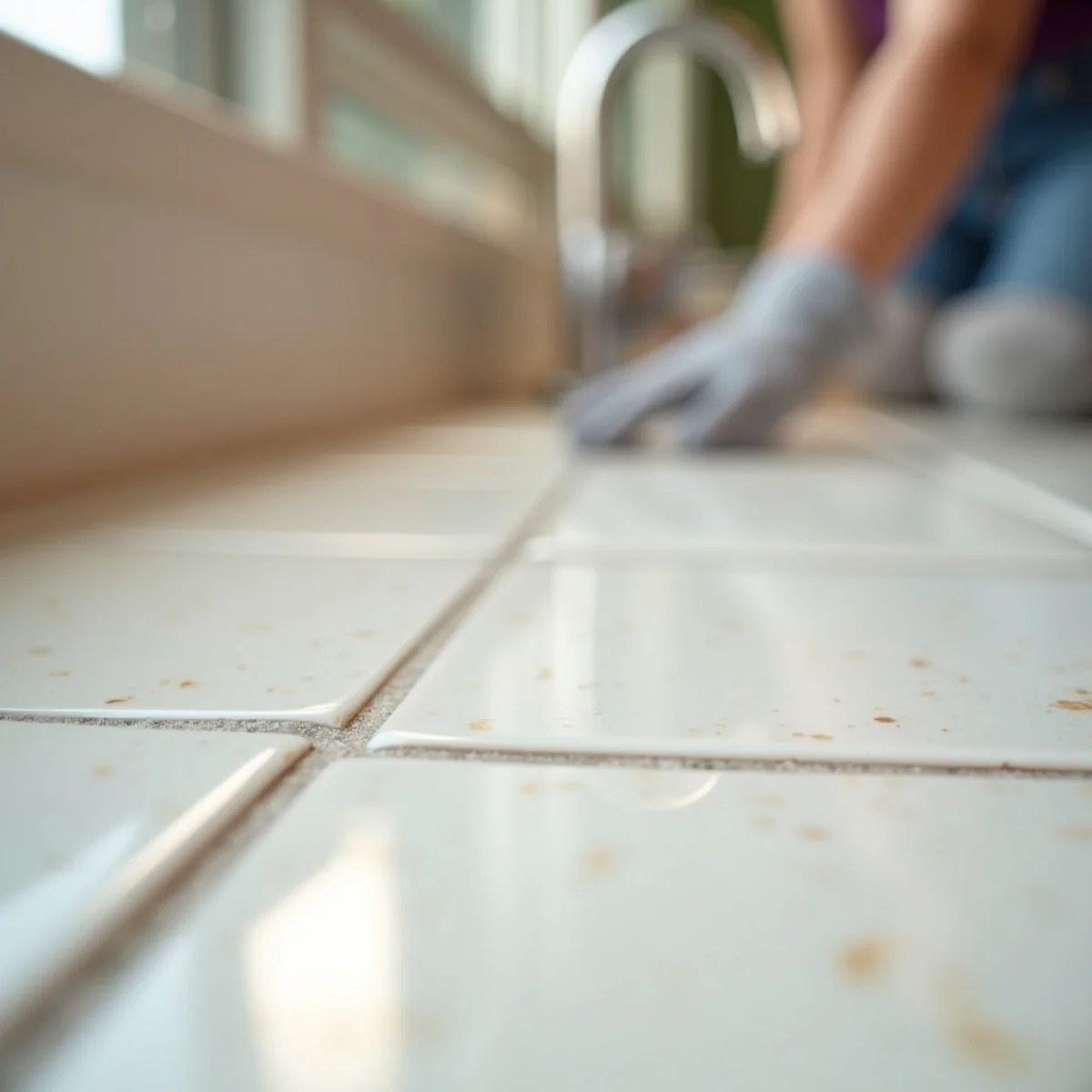
You mop the floor, wipe the tile, and the grout lines still look gray. It's a frustration we hear constantly across the Treasure Valley, because tile itself rarely looks bad — it's the grout between it that goes dark, dingy, and uneven. And once it does, no amount of regular mopping seems to bring it back.
There's a reason for that, and it isn't that you're cleaning wrong. Grout is porous, which means it soaks up water, dirt, soap, and minerals like a sponge. Add Idaho's famously hard water to the mix and the buildup happens faster here than in most of the country. Understanding what's actually darkening your grout changes how you clean it — and tells you when a scrub brush is enough and when it's time to bring in help.
This guide covers why grout darkens, what you can genuinely fix yourself, what you can't, and how to keep it looking fresh once it's clean. We're a chemical-free cleaning company based in Meridian, and if you'd rather hand the whole thing off, you can reach us at +1 877-754-5614.
In this article
Why Grout Darkens in the First Place
Grout looks solid, but under a microscope it's full of tiny pores. That porosity is the root of nearly every grout problem you'll ever have — it lets liquids and grime work their way below the surface, where a mop can't reach. So while your tile wipes clean, the grout keeps its color long after because the dirt is inside it, not on top.
In an Idaho home, a few culprits do most of the damage, and they usually work together. Knowing which one you're dealing with tells you how to clean it:
- Ground-in dirt and traffic — on floors, shoes and pets grind sand and grit into the grout by entryways and hallways, and it settles into the pores. This is the most common cause of gray, dingy floor grout.
- Soap scum — in showers, soap reacts with the calcium and magnesium in hard water to form a sticky film that clings to grout, hardens, and then traps more dirt on top of itself.
- Hard-water minerals — every time water dries on the grout, it leaves calcium and magnesium behind as a rough, chalky deposit. In Idaho, where water often runs 8 to 15 grains per gallon and higher, this happens fast.
- Mold and mildew — grout stays damp in showers, and damp porous material is exactly what mold likes. Black or pinkish streaks in shower grout are usually mildew growing in and on the surface.
- Old cleaning residue — mopping with dirty water or a heavy soap leaves a film that dries dull and actually attracts more dirt, so the grout darkens faster than if you'd used less product.
What You Can Clean Yourself
The good news is that a lot of grout grime comes out with simple, chemical-free methods and some patience. You don't need caustic products — you need the right approach and enough dwell time to let it work. Start gentle and only step up if you need to.
For everyday dinginess on ceramic or porcelain tile, a paste of baking soda and water worked into the grout with an old toothbrush lifts a surprising amount. For hard-water haze and light soap scum, a 50/50 mix of white vinegar and water sprayed on and left to sit 10 to 15 minutes dissolves the mineral so it wipes away instead of fighting you. For stubborn discoloration on white or light grout, a paste of baking soda and 3% hydrogen peroxide is the safest whitener that actually works.
A few tips make DIY grout cleaning go far better:
- Let cleaners sit. Minerals and scum need contact time to break down. A quick spray-and-wipe rarely does it; 10 to 15 minutes does.
- Use a soft brush, not metal. An old toothbrush or a nylon grout brush cleans the lines without scratching the tile or gouging the grout.
- Skip the vinegar-and-baking-soda fizz. Combined, they neutralize each other into little more than salty water. Use them separately for real cleaning power.
- Rinse and dry after. Wiping the grout dry removes the last of the loosened grime so it doesn't just resettle.
- Spot-test first in a hidden corner, especially if you're not sure what your tile is made of.
What DIY Cleaning Can't Fix
Here's the honest part most cleaning blogs skip. Scrubbing removes dirt sitting in and near the surface, but it has limits — and knowing them saves you a weekend of frustration on grout that was never going to change.
If grout has been absorbing dirt, mineral, and soap for years without being sealed, the discoloration can go deep enough into the pores that no surface scrub reaches it. Mold that has grown down into the grout can leave a stain behind even after the growth itself is gone. And grout that's cracked, crumbling, or missing in spots isn't a cleaning problem at all — it's a repair problem, and no cleaner fixes it.
There are also two things you should never reach for. Bleach is caustic and, used repeatedly, actually breaks grout down over time while only masking the color — it whitens the look without removing what's underneath. And acids like vinegar will permanently etch natural stone: marble, travertine, limestone, and slate need a pH-neutral, stone-safe approach instead. If you're not certain your tile is ceramic or porcelain, treat it as stone until you know.
Restore vs. Replace: Setting Honest Expectations
One question we get more than any other: can old, stained grout ever look truly new again? The honest answer is that it depends on what's causing the color, and it's worth being clear-eyed about it before you spend money.
Most darkened grout is dirty, not damaged — that comes back beautifully with a proper deep clean that pulls buildup out of the pores rather than just wiping the top. That's the majority of what we see in Idaho homes. But grout that's genuinely stained through, or that's stayed a permanent gray because it went years unsealed, may only lighten so far. At that point, cleaning has done its job and the remaining options are cosmetic or structural rather than something a scrub brush solves:
- Deep cleaning restores grout that's dirty — the most common case, and often a dramatic improvement.
- A grout colorant or color sealer can be applied over cleaned grout to give it a uniform, fresh color when cleaning alone can't even it out. This is a specialty finish, typically handled by a tile or grout specialist.
- Regrouting — scraping out the old grout and replacing it — is the fix for grout that's cracked, crumbling, or permanently stained. It's a tile-contractor job, not a cleaning one.
- Full retile is rarely necessary for grout alone, but badly failed grout or water damage behind the tile can push a shower or floor toward replacement.
Sealing: The Step That Prevents the Whole Problem
If porosity is why grout darkens, sealing is how you slow it down. A grout sealer fills those pores so water, dirt, and minerals sit on top long enough to be wiped away instead of soaking in. Sealed grout doesn't stay clean forever, but it stays clean far longer and cleans up far more easily.
Sealer wears off, though, especially under Idaho's constant hard water and foot traffic. A simple test tells you when it's time to reseal: sprinkle a few drops of water on the grout. If it beads up, the seal is holding. If it soaks in and darkens the line, the grout is bare and drinking in everything else too. As a rough guide, floor grout tends to need resealing every few years and shower grout closer to once a year, but the water test beats any calendar.
Two things matter if you seal it yourself. First, the grout has to be genuinely clean and fully dry first — sealing over dirt just locks the dirt in. Second, apply it carefully and evenly; a sloppy job can leave a haze on the tile or an uneven seal that fails early. It's doable for a patient DIYer, but it's fiddly and slow, which is why many people would rather have grout professionally cleaned and then keep up with a sealer themselves.
Floors vs. Showers: They're Not the Same Job
Grout is grout, but where it lives changes what it's fighting — and treating a shower like a floor (or the reverse) is why a lot of cleaning falls short.
Floor grout mostly battles ground-in dirt and grit tracked in on shoes, which is a mechanical problem: it responds well to a baking-soda scrub and consistent, clean-water mopping. Idaho's fine high-desert dust makes this worse, settling into entryway and hallway grout fast. Shower grout, on the other hand, fights moisture, soap scum, hard-water mineral, and mildew all at once, and it never fully dries between uses. That combination is more chemically stubborn and more prone to mold, so it needs mild acid for the mineral, patience for the scum, and airflow to keep mildew from coming back.
The upshot: a squeegee and a running fan do more for shower grout than any scrub, while a good doormat and regular mopping do more for floor grout. Match the habit to the surface and you'll fight the buildup far less often.
Our Chemical-Free Approach to Tile and Grout
Sophisticated Cleaners is a chemical-free house cleaning company, and grout is one of the best examples of why that works. You don't need harsh fumes to get grout clean — you need the right non-toxic products, the dwell time to let them break buildup down, and the technique to know which surface takes which treatment. The difference on dingy floor grout or a hazy shower is real, and we get it without filling your home with chemicals your family then breathes in.
Our tile and grout cleaning reaches into the recessed lines a mop skips, pulling out the dirt, soap scum, and mineral that make grout look gray. It's a natural add-on to a deep cleaning, which resets a whole bathroom or kitchen at once. Because we clean across Meridian, Boise, Nampa, and down to Twin Falls, we know exactly what the local hard water does to grout and how to get ahead of it.
If your grout looks dark no matter how you mop, there's a good chance it's dirty, not ruined — and that comes back. Call +1 877-754-5614 or request a free quote, and we'll tell you honestly what a clean can do for your tile.
Want it done for you?
Chemical-free house cleaning across Idaho. Free quotes, no obligation.