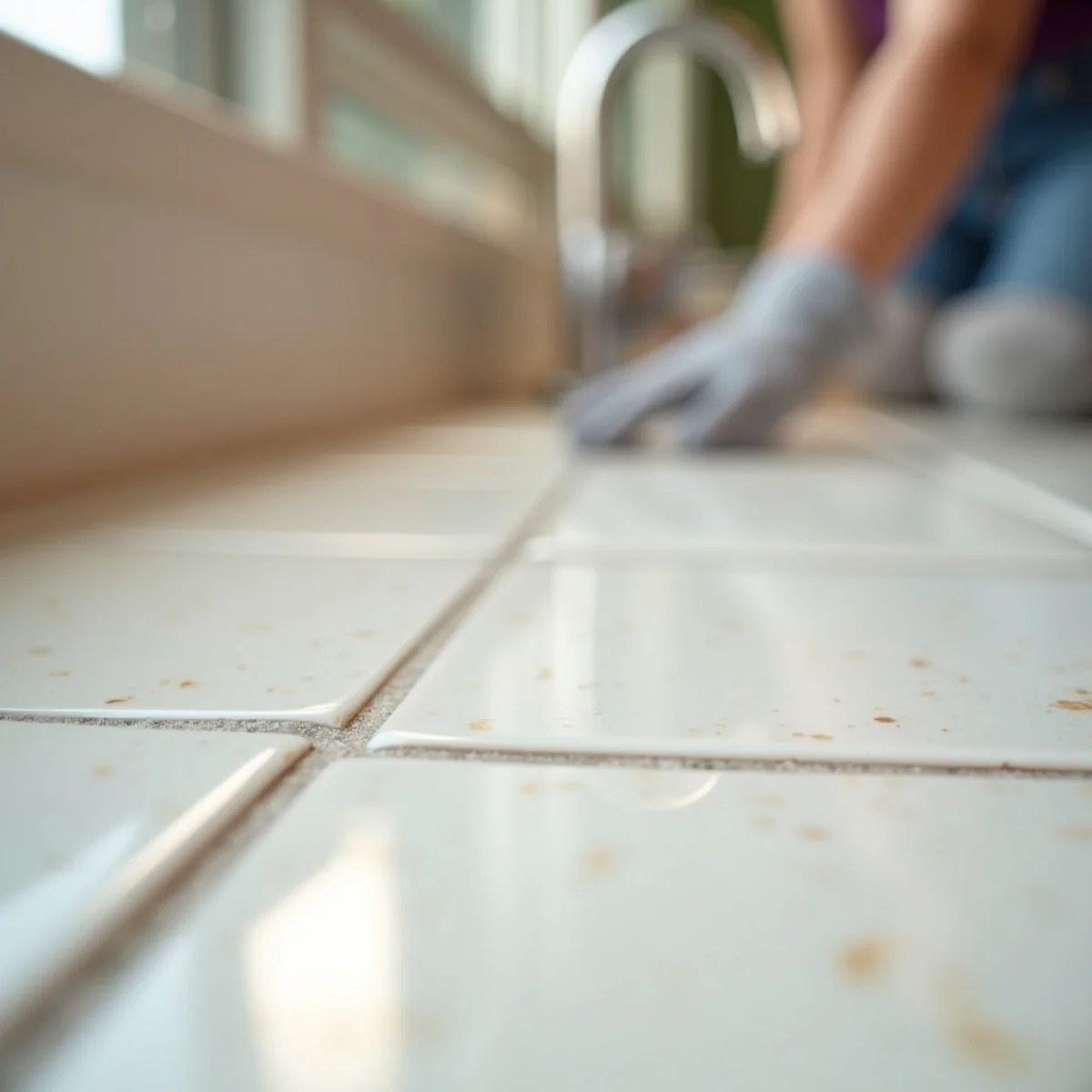
Why Kitchen Deep Cleaning Matters
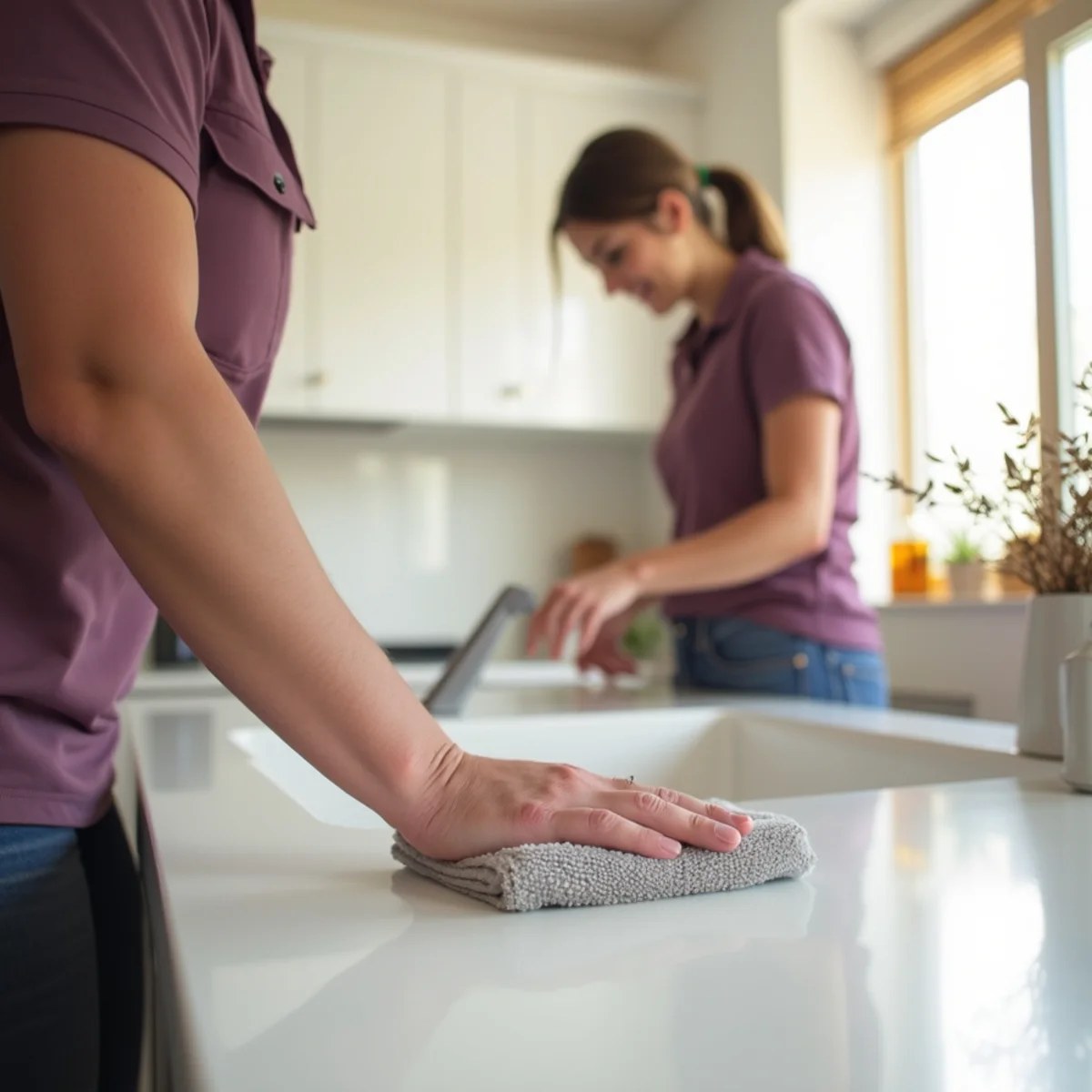
You wipe the counters after dinner, load the dishwasher, and give the stovetop a quick pass. The kitchen looks clean. But the kitchen is the hardest-working room in the house, and it hides more than any other. Every time you cook, tiny droplets of grease and steam drift into the air and settle on the range hood, the cabinet doors, the wall behind the stove, and the top of the fridge. A daily wipe-down never touches any of it. That thin, sticky film keeps building, month after month, in all the spots you never look.
That is what a kitchen deep clean is for. It reaches the built-up grease, the food splatter baked into the oven, the crumbs behind the toaster, and the mineral scale that Treasure Valley hard water leaves on your faucet. It is not just about how the room looks. A kitchen is where your family's food gets prepared, so the hidden grime is also a food-safety issue that a surface clean can't solve.
Below we walk through exactly why the kitchen needs more than a routine wipe, which spots collect the worst of it, how often each one really needs attention, and how a deep clean differs from a standard visit. If you want a hand resetting yours, call +1 877-754-5614 and we'll talk through what your kitchen actually needs.
In this article
Why the Kitchen Needs More Than a Wipe-Down
Cooking releases aerosolized fats and oils into the air along with steam and smoke. Those particles don't disappear. They drift up and out from the stove and settle on every nearby surface as a fine, sticky film. Fresh, it wipes away easily. Left alone, it hardens, traps dust, and turns into the yellowed, tacky grime you find on the tops of cabinets and behind the range. The longer it sits, the harder it is to remove, which is exactly why a quick daily clean never keeps up.
There's a health side to this too. A kitchen is the one room where you handle raw food, and harmful bacteria from raw meat, poultry, and eggs can survive on surfaces for days. Spills that dry into the seams around the sink, crumbs in a drawer, and old residue inside the fridge all give bacteria and odors a place to live. Deep cleaning removes that buildup at the source instead of smearing it around, which matters more in a kitchen than anywhere else in the home.
It also protects your appliances. Grease that clogs a range hood filter or coats an oven's heating element makes the whole thing work harder and wear out faster. Keeping the buildup down keeps your appliances running well and lasting longer, which is a lot cheaper than replacing them.
- Cooking grease spreads as an invisible film far beyond the stovetop
- Raw-food bacteria can linger on surfaces for days without a real clean
- Built-up grime shortens the life of your oven, hood, and other appliances
- The buildup gets harder to remove the longer it's left, so it compounds
Inside the Oven, Fridge, and Microwave
The appliances are where the biggest gap between clean-looking and actually-clean shows up, because the mess is sealed inside. An oven collects burnt-on splatter and grease that a routine wipe never reaches. Beyond looking bad, that residue can smoke, affect how your food tastes, and even become a fire risk. A deep clean scrubs the interior, the racks, and the door glass back to bare metal.
The refrigerator is a food-safety story more than a grease one. Spills dry into the shelves, condensation collects in the drawers, and forgotten leftovers turn into odor and bacteria that can reach your fresh food. Deep cleaning pulls the shelves and bins, wipes down the interior, and clears the door seals where grime hides. The microwave gets the same treatment inside and out, since baked-on splatter there is both unsanitary and hard to remove once it sets.
These interiors are a core part of a professional deep cleaning and a good example of why it takes longer than a standard visit. Every surface is detailed by hand rather than surface-wiped.
- Oven interior, racks, and door glass degreased and scrubbed
- Refrigerator shelves, drawers, and door seals wiped and cleared out
- Microwave cleaned inside and out, including baked-on splatter
- Small appliance exteriors like the toaster, kettle, and coffee maker
The Range Hood, Backsplash, and Cabinet Fronts
The area right around the stove takes the direct hit from every meal. The range hood and its filter catch airborne grease first, and a clogged filter can't pull steam and smoke out of the room the way it should. The backsplash and the wall behind the stove build a sticky coating that a sponge just spreads thin. And the cabinet fronts nearest the range slowly collect the same greasy film, especially along the top edges and around the handles where hands touch them most.
A deep clean degreases all of it: the hood inside and out, the filter, the backsplash, the wall behind and beside the stove, and the cabinet and drawer fronts. We use chemical-free, food-safe products for this, which matters a great deal in a room where food is prepared. There are no harsh fumes lingering on the surfaces your family eats off of after we leave.
- Range hood exterior, underside, and grease filter
- Backsplash and the wall behind and beside the stove
- Cabinet and drawer fronts, focusing on top edges and handles
- Behind and beside the stove where splatter and crumbs collect
The Sink, Disposal, and Hard Water on the Faucet
The sink feels like it cleans itself because water runs through it all day, but it's one of the germiest spots in the whole house. Raw-food juices, standing water, and food scraps collect around the drain, the seams, and inside the garbage disposal, where they turn into odor and bacteria. A deep clean scrubs the basin, works into the seams around the edge, and freshens the disposal so it stops smelling.
Then there's the faucet. If you live anywhere in the Treasure Valley, you already know our hard water. It leaves a chalky white mineral scale on the faucet, the base, and the sprayer that a normal wipe just smears. Removing that buildup is part of what we do on every clean, not an upcharge. It's one of the first things people notice, because a clear, spot-free faucet makes the whole kitchen look brighter.
- Sink basin, drain, and edge seams scrubbed and sanitized
- Garbage disposal cleaned and deodorized
- Hard water scale removed from the faucet, base, and sprayer
- Cutting boards and prep surfaces are worth sanitizing separately at home
How Often Your Kitchen Really Needs a Deep Clean
The daily and weekly stuff, like counters, floors, dishes, and the stovetop, keeps the room usable and should carry on as normal. The deep-clean items are the ones that don't need attention every week but genuinely need it on a rhythm, and most people put them off far longer than they should.
As a general guide, the microwave benefits from a monthly clean, the range hood filter from a monthly degrease, and the oven every three to six months depending on how much you cook. The refrigerator does best with a real clean-out every three to four months. If your kitchen sees heavy daily cooking, move all of that up. The honest truth is that most busy households in Idaho don't get to these on schedule, which is why many book a deep clean seasonally to catch everything up at once.
- Daily and weekly: counters, floors, dishes, stovetop, sink rinse
- Monthly: microwave interior and range hood filter
- Every 3 to 4 months: refrigerator interior clean-out
- Every 3 to 6 months: oven interior, depending on how often you cook
- Seasonally: a full kitchen deep clean to catch up on all of it
Standard Kitchen Clean vs. Deep Kitchen Clean
A standard cleaning keeps an already-maintained kitchen looking good. It wipes the counters and stovetop, cleans the sink, wipes appliance exteriors, and gets the floor. It's fast because it's maintaining, not catching up, and it's exactly right on a weekly or every-other-week schedule once the kitchen is in good shape.
A deep clean is a reset. It adds everything a standard visit doesn't have time for: inside the oven, fridge, and microwave, the range hood and filter, the backsplash and behind the stove, cabinet fronts, the disposal, and the hard water on the faucet. It takes noticeably longer because it's hand-detailing months of buildup rather than keeping up with the week. That's why we usually recommend starting with one deep clean to reset the kitchen, then keeping it there with lighter standard or recurring visits. Starting from a clean baseline keeps every future visit quicker and more effective.
Homeowners across Meridian, Boise, and the rest of the valley book a kitchen deep clean before hosting, at a change of season, or when they just can't keep up with the grease anymore. We use chemical-free products throughout and confirm what's included before anything is booked. Call +1 877-754-5614 or request a quote to get started.
- Standard: counters, stovetop, sink, appliance exteriors, floor
- Deep: appliance interiors, hood and filter, backsplash, cabinet fronts, disposal
- Standard maintains a kitchen; a deep clean resets one
- Best approach: one deep clean to start, then recurring visits to hold it
Want it done for you?
Chemical-free house cleaning across Idaho. Free quotes, no obligation.